
دوو دەفتەر، یەک مێز
What does a wheat cargo have in common with a polymer cargo? Nothing — except the part that actually matters.
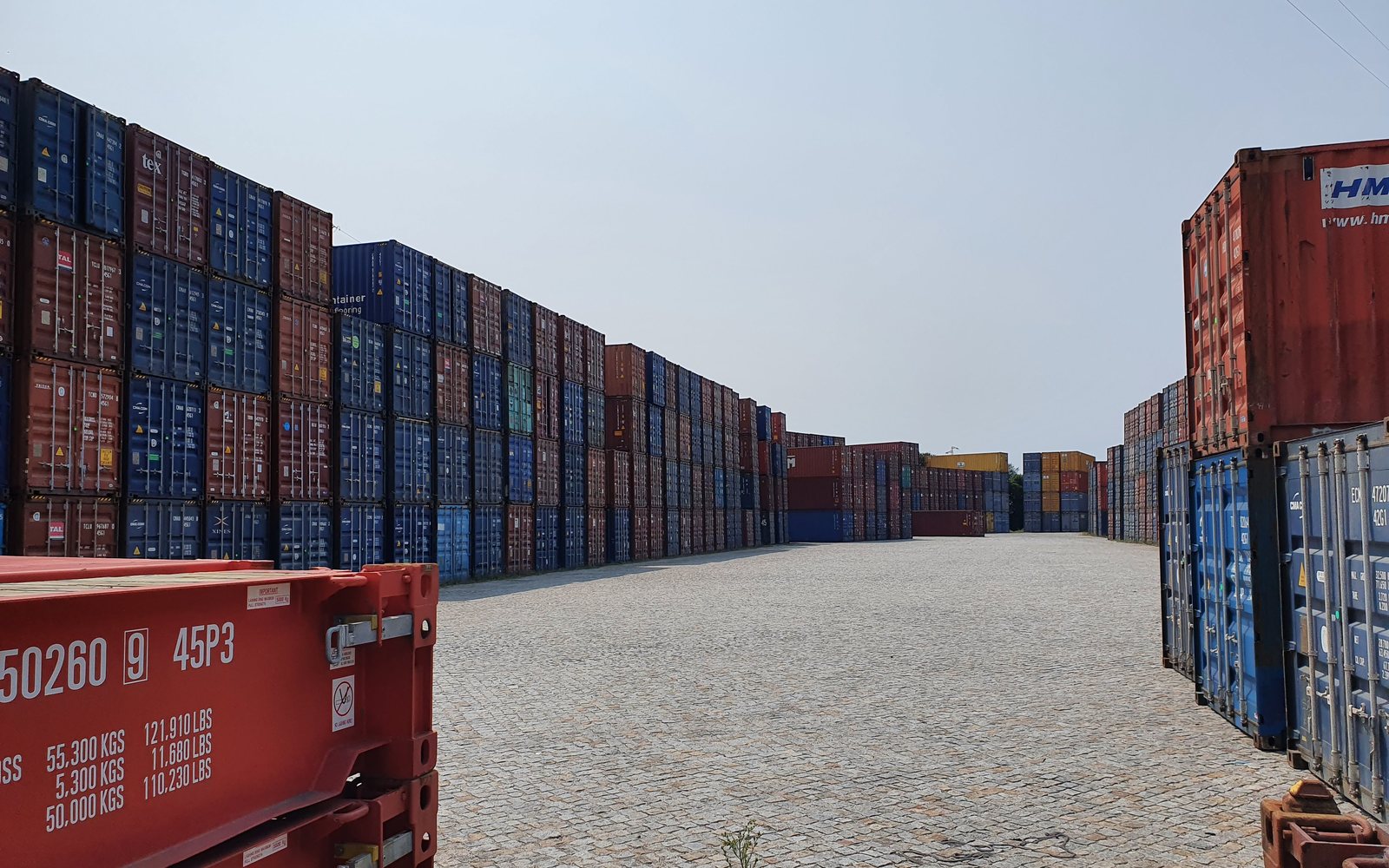
People often ask why one company carries two unrelated books: food and industrial products. The answer is that the relationship is not in the goods, it is in the work.
Grain and polymer are both bought against a specification, shipped in full cargoes, financed by letter of credit, cleared on the same documents, and delivered to a plant that cannot afford to stop its line. Whoever is good at that in one is good at it in the other.
The one material difference is food safety, and it is what forces storage and haulage to be kept separate — a separation that has been in place from the first day.
هەواڵ
بابەتی پەیوەندیدار
 هەواڵی گرووپ
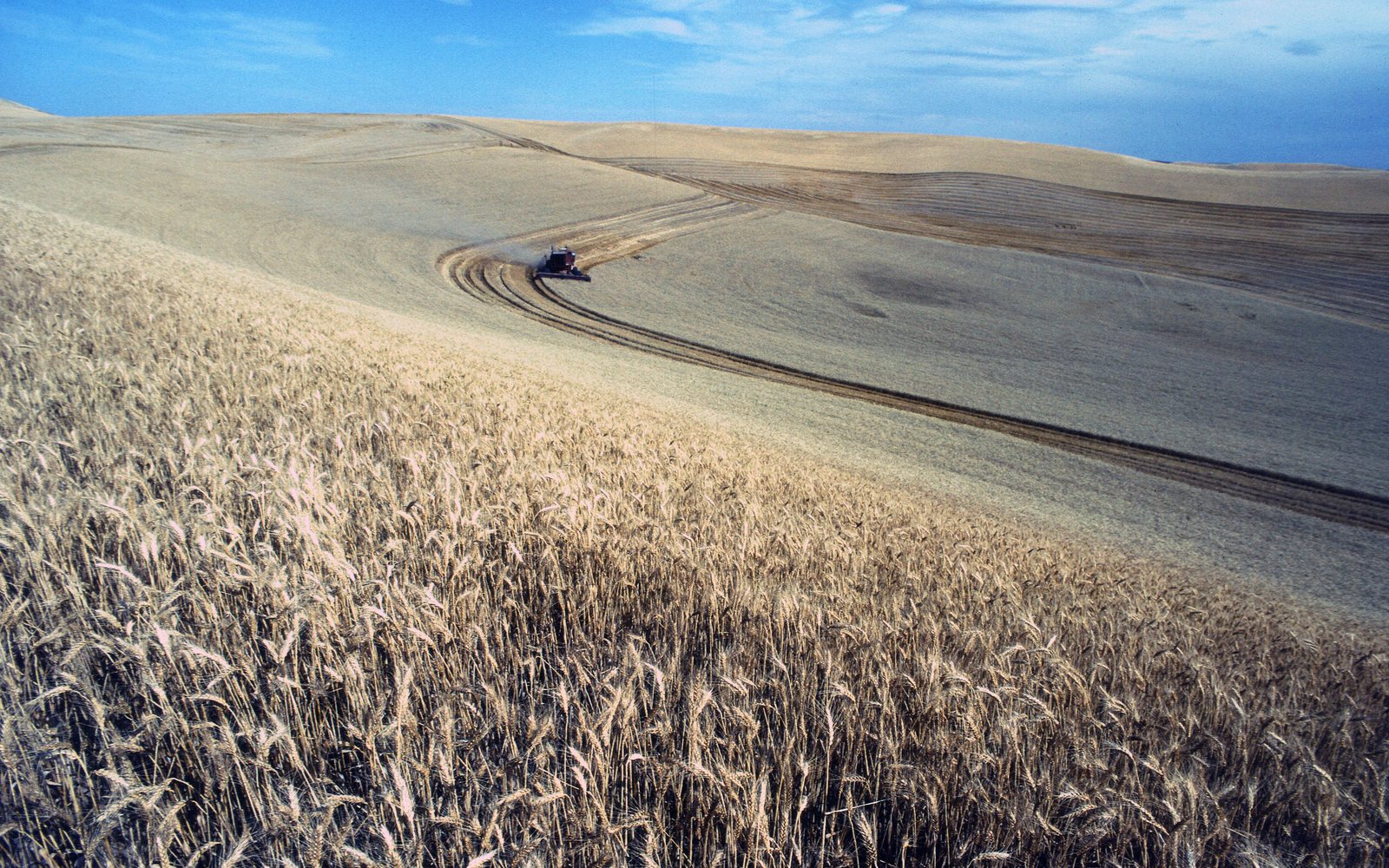
خاوەنی یەکەم بەندی زنجیرەکە بوون
When the same line runs short season after season, owning its source costs less than chasing it.
 کارگێڕی
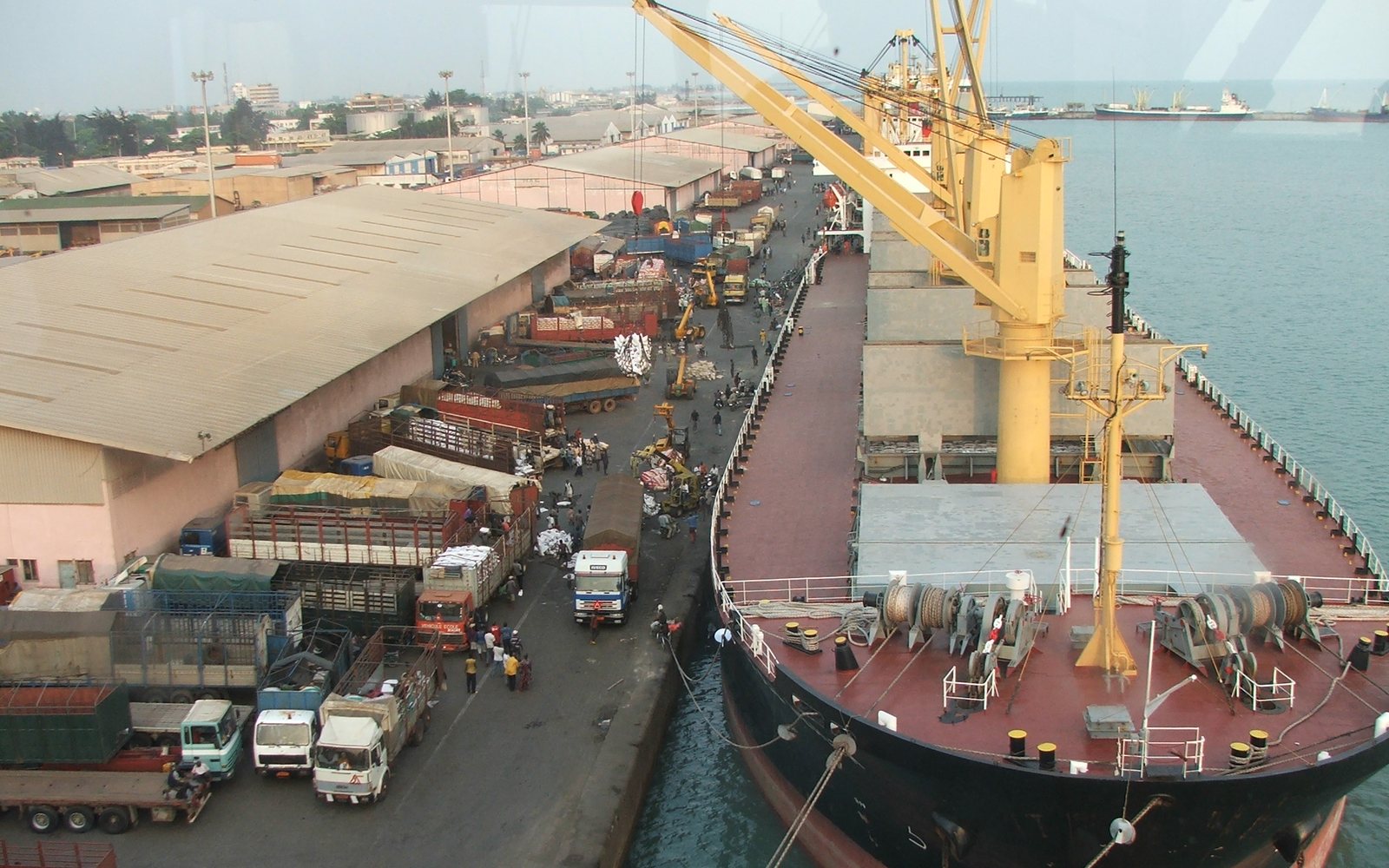
بۆچی لە کاتی بارکردندا دەپشکنین، نەک لە کاتی گەیشتندا
ناکۆکی لەسەر جۆرایەتی دوای گەیشتنی بار بۆ هەردوو لا گرانە. پشکنینی سەربەخۆ لە کاتی بارکردندا هەرزانترین دڵنیاییە لە بازرگانیدا.
 بازاڕەکان
تێبینییەک لەسەر کرێی گواستنەوە
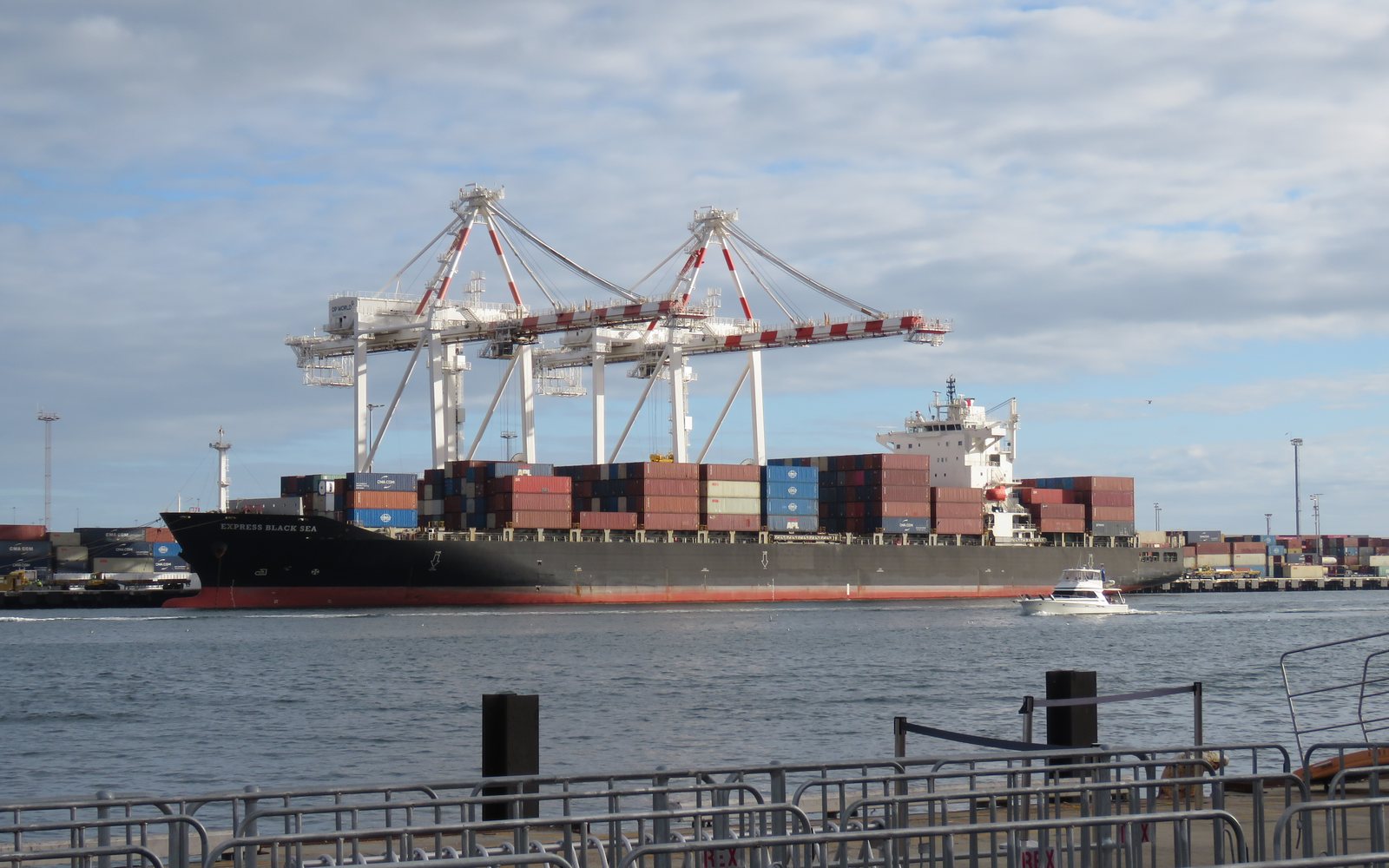
The price of the goods is half the story. Freight decides the other half, and it is the half that gets forgotten.